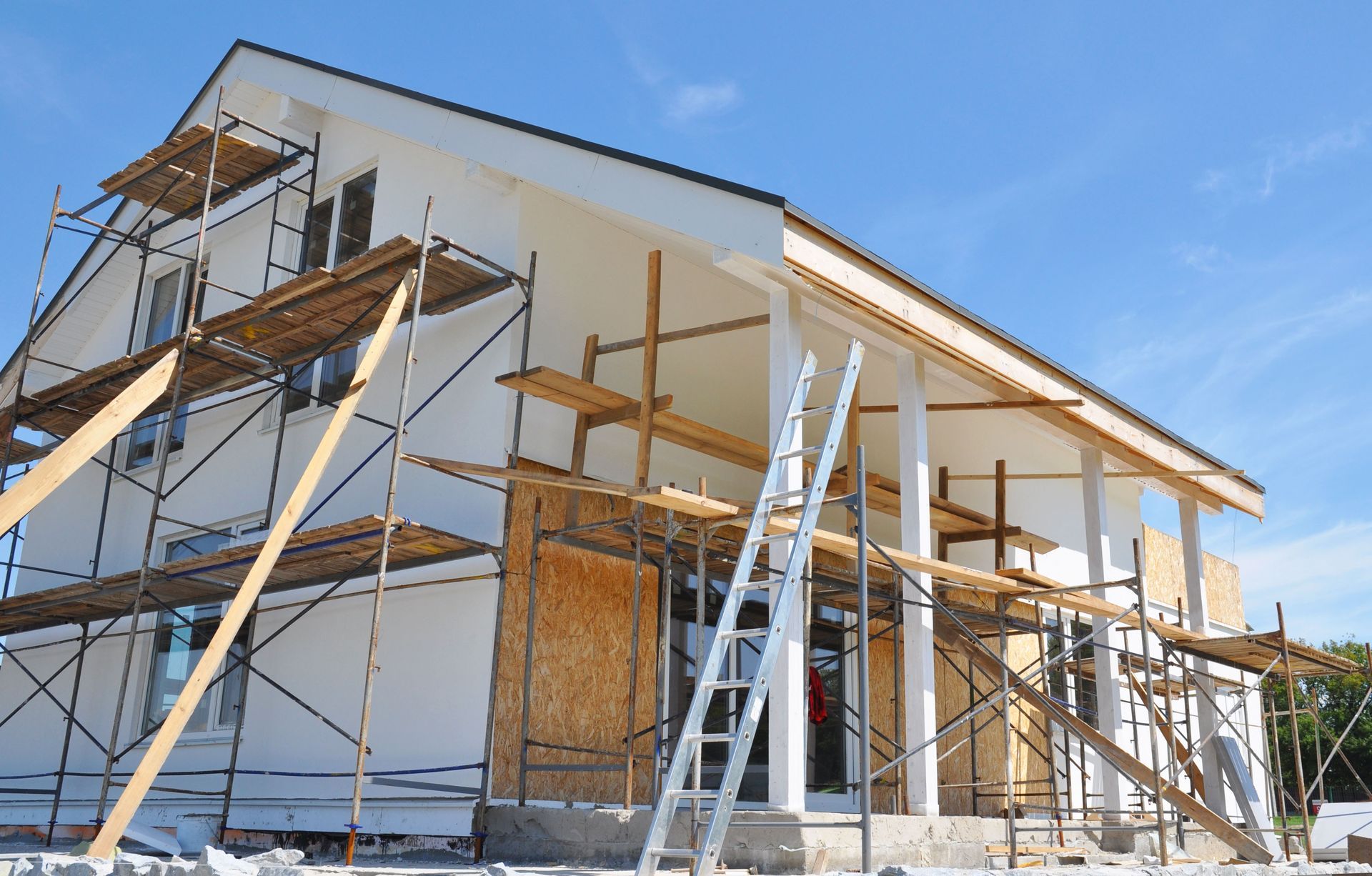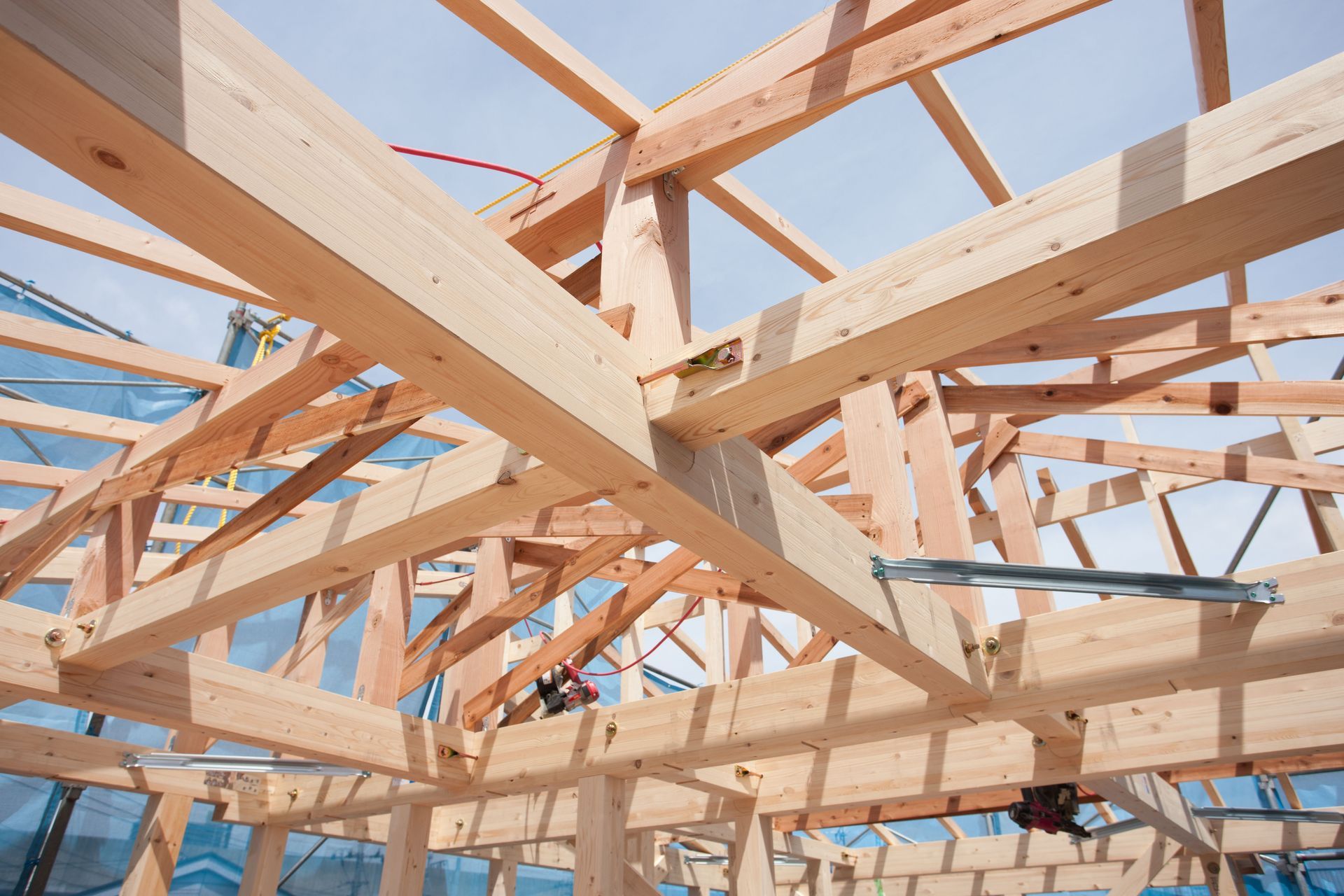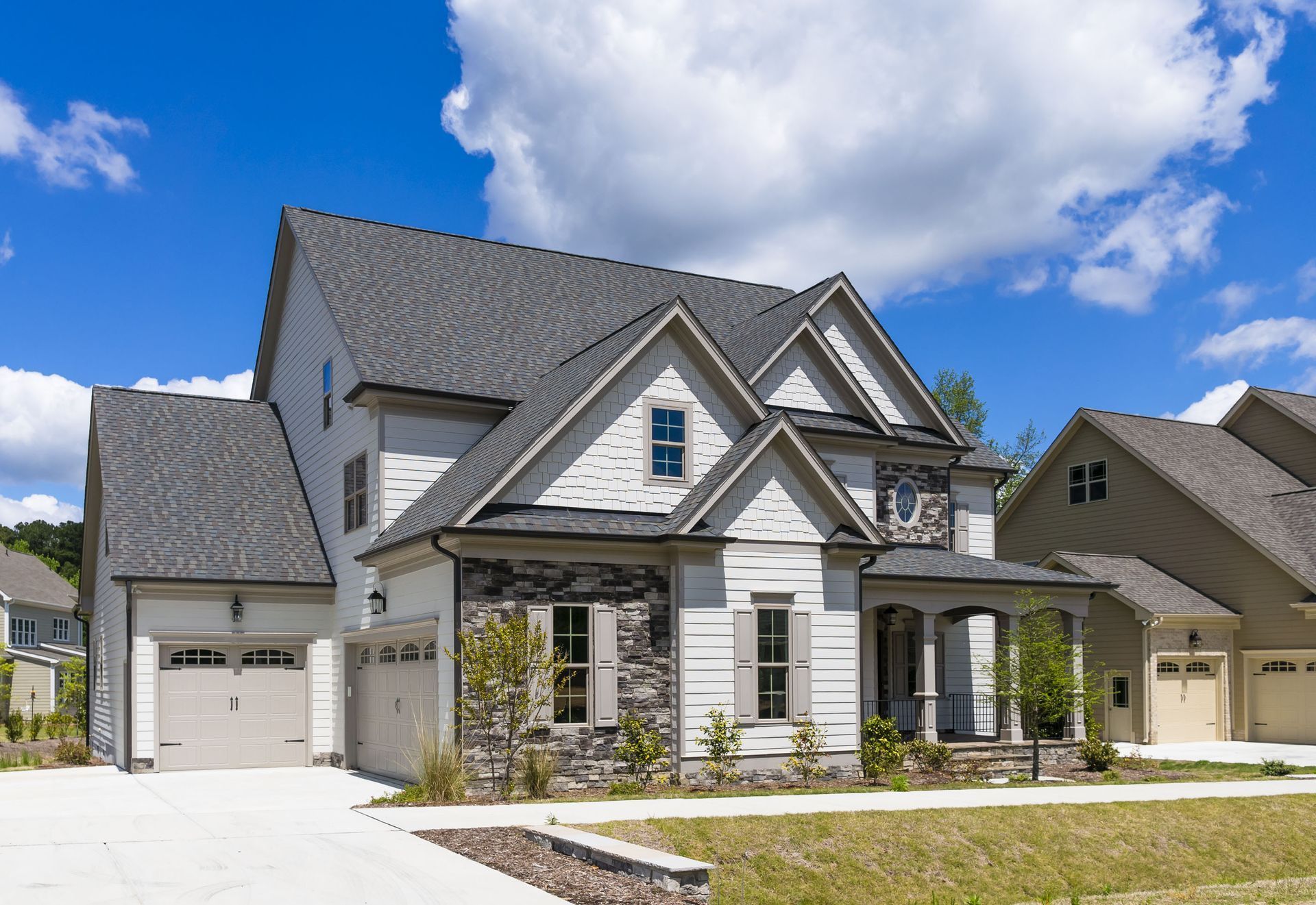
Building a new home is a significant investment that requires careful planning, skilled workmanship, and attention to detail. From selecting construction materials to establishing a realistic timeline, every stage influences the quality and durability of the finished property. Homeowners want a house that reflects their preferences while providing comfortable living spaces and lasting value. Working with a local home building service can help bring these priorities together through professional oversight and knowledge of regional construction requirements. Experienced builders understand that quality involves more than attractive finishes or modern design features. It requires thoughtful preparation, reliable materials, consistent communication, and careful inspections. Understanding how professional builders maintain construction standards can help homeowners make informed decisions throughout the process.
Establishing Clear Construction Plans and Expectations
Quality construction begins before workers arrive at the building site. During planning, builders review the homeowner's goals, preferred layout, budget, and anticipated schedule. These conversations establish expectations and identify potential challenges before they affect progress. Detailed plans clarify decisions involving room dimensions, structural features, materials, and finishes. When everyone understands the intended outcome, the project can proceed with fewer misunderstandings and unnecessary adjustments.
A local home building service can help homeowners evaluate whether their expectations align with available resources. Builders may explain how architectural details, custom features, or material selections influence construction costs. Establishing priorities early makes it easier to distinguish essential features from optional upgrades. Written specifications and organized documentation provide useful references as construction progresses, helping everyone remain focused on the agreed-upon design.
Evaluating Site Conditions Before Construction
Every property presents conditions that can affect construction. Soil characteristics, drainage patterns, elevation changes, existing vegetation, and utility access influence how a home should be positioned and built. Professional builders evaluate these factors before major work begins. Depending on the property, additional assessments may be necessary to determine foundation requirements, grading needs, or environmental concerns. Addressing these considerations early helps reduce complications during construction.
Site preparation also affects long-term performance. Proper grading helps direct surface water away from the foundation, while suitable soil preparation supports structural stability. Builders coordinate excavation, utility installation, and other preliminary activities according to project requirements. Careful evaluation allows construction teams to identify practical solutions before problems become expensive to correct. This preparation establishes a stronger foundation for subsequent construction activities.
Selecting Durable and Appropriate Building Materials
Construction materials influence a home's appearance, maintenance requirements, energy performance, and durability. Framing lumber, roofing products, insulation, siding, windows, and flooring must be selected according to their intended applications. Experienced builders consider moisture exposure, temperature fluctuations, structural demands, and manufacturer specifications when recommending products. Choosing appropriate materials helps create a home that performs reliably under everyday conditions.
A local home building service may also consider regional weather patterns when discussing material options. Exterior finishes should accommodate local moisture conditions, while roofing systems must meet applicable weather requirements. Builders can explain product differences and help homeowners evaluate initial costs alongside maintenance needs. Quality materials are important, but their effectiveness also depends on proper storage, handling, and installation. Coordinating these details contributes to consistent construction results.
Coordinating Skilled Construction Professionals
Building a home requires the expertise of numerous professionals. Carpenters, electricians, plumbers, HVAC technicians, roofers, and other specialists contribute to different stages. Each trade must complete its responsibilities accurately while coordinating with the broader construction schedule. Experienced builders organize these activities to reduce conflicts, prevent unnecessary delays, and maintain consistent workmanship. Effective coordination becomes particularly important when one phase must be completed before another begins.
Professional oversight also helps identify issues that might otherwise go unnoticed. Plumbing and electrical installations must be coordinated with framing and interior layouts before walls are enclosed. Builders communicate expectations, review completed work, and address concerns when adjustments are necessary. Establishing clear responsibilities encourages accountability among contractors. This organized approach helps individual components function together as part of a complete residential structure.
Monitoring Compliance With Building Codes
Residential construction must comply with applicable building codes, permit requirements, and safety standards. These regulations address structural integrity, electrical installations, plumbing systems, ventilation, and fire protection. Requirements may vary depending on the property's location and construction type. Professional builders coordinate permitting activities and work with appropriate authorities to understand which inspections and approvals are necessary throughout the project.
Working with a local home building service can be beneficial when navigating regional requirements. Familiarity with permitting procedures helps builders anticipate documentation needs and coordinate inspections. These evaluations provide independent assessments of certain construction components, although they do not replace ongoing quality oversight. Builders must still review workmanship and address deficiencies identified during construction. Maintaining compliance supports occupant safety while helping homeowners avoid complications involving unapproved work.
Inspecting Workmanship Throughout Construction
Quality control is most effective when it occurs throughout construction rather than only after completion. Builders review work at important stages, including foundation preparation, framing, mechanical installations, insulation, and interior finishing. These evaluations help identify problems while affected components remain accessible. Correcting an issue before subsequent work begins can be less disruptive than discovering it after walls, flooring, or exterior finishes have been installed.
Inspections may involve checking measurements, material placement, installation details, and consistency with approved plans. Builders also evaluate visible workmanship, including surface alignment, fixture installation, and finishing details. When concerns arise, they coordinate corrections with appropriate professionals. Regular monitoring encourages attention to detail and helps prevent small discrepancies from affecting other parts of the project. This systematic process contributes to a more dependable finished home.
Improving Energy Efficiency and Indoor Comfort
A well-built home should provide comfortable living conditions while using energy efficiently. Insulation, air sealing, windows, HVAC design, and ventilation influence indoor temperature control and energy consumption. These components must work together to deliver consistent performance. Builders coordinate installation according to approved plans, applicable energy requirements, and manufacturer recommendations. Attention to these details can reduce drafts, limit unnecessary heat transfer, and support comfortable indoor conditions.
According to an NAHB analysis of Census Bureau data, new homes built in 2025 averaged approximately 2,155 square feet in size. Regardless of size, efficient construction requires consideration of how interior spaces are heated, cooled, and ventilated. A local home building service can coordinate insulation choices, equipment placement, and features that influence comfort. Proper installation matters because even high-quality products may perform poorly when gaps, leaks, or incorrect configurations are overlooked.
Maintaining Communication and Reviewing Final Details
Clear communication helps homeowners understand construction progress and make timely decisions. Building projects involve multiple stages, and unexpected circumstances may affect scheduling or material availability. Regular updates keep homeowners informed about completed work, upcoming activities, and decisions requiring attention. Builders can explain how proposed changes influence the budget or timeline before adjustments are approved. Written change orders and updated schedules help reduce confusion.
As construction approaches completion, builders evaluate the home for unfinished work, visible defects, and necessary adjustments. Homeowners may participate in a final walkthrough to identify concerns and ask questions. Builders can also explain maintenance responsibilities and provide available information about equipment, warranties, and operating instructions. Completing required inspections and documenting outstanding items helps homeowners transition into their new residence with greater confidence.
Quality home construction depends on careful planning, appropriate materials, skilled professionals, and consistent oversight from the initial consultation through the final walkthrough. Evaluating site conditions, following building codes, inspecting workmanship, and coordinating essential systems contribute to a durable and comfortable residence. Clear communication and organized project management also help homeowners understand their options and remain involved in important decisions. Choosing a local home building service provides an opportunity to work with professionals familiar with regional requirements and the many details involved in residential construction. By prioritizing quality throughout the process, homeowners can create living spaces that accommodate their needs and support long-term property value. If you are planning a new home and want professional guidance throughout construction, contact Daniel Gragg Construction, LLC today to discuss your project.